As an electrical contractor or an electrician business owner, invoicing is an essential aspect of your operations. A well-crafted invoice not only helps you get paid promptly but also serves as a record of your services and helps you keep track of your finances. Let’s discuss everything you need about electrician invoicing, including work orders, customer service, invoice templates, and invoicing software.
Another important feature of flat rate pricing software is the ability to manage and update the pricing catalog. As the cost of materials and services can change over time, it’s important for businesses to be able to easily adjust their prices to reflect these changes. Flat rate pricing software makes it easy to update prices and ensure that the pricing catalog remains current and accurate.
Create Professional Proposals Ahead of Invoices
Before you can create an invoice, you need to have a proposal for the customer of the work you will be completing. A proposal is a document that outlines the details of the electrical services you will provide. It includes the customer’s name and address, the scope of work, the materials needed, and the estimated cost. Proposals can be created manually, or you can use digital tools such as mobile apps to create them quickly and easily. You can even save templates and favorites that you will be offering again.
Another important feature of flat rate pricing software is the ability to manage and update the pricing catalog. As the cost of materials and services can change over time, it’s important for businesses to be able to easily adjust their prices to reflect these changes. Flat rate pricing software makes it easy to update prices and ensure that the pricing catalog remains current and accurate.
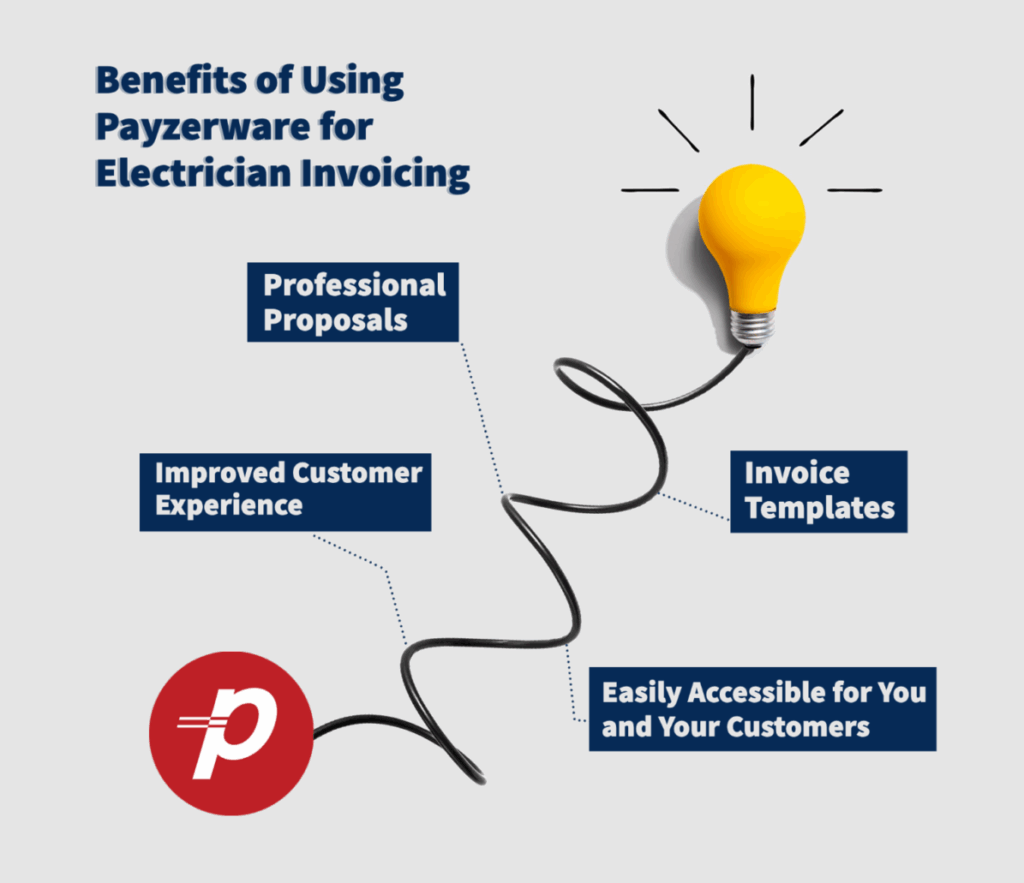
Streamline Invoicing to improved Customer Service
Excellent customer service is crucial to the success of your electrical business. When it comes to invoicing, you must ensure that your customers clearly understand payment terms. You should also be prepared to answer any questions your customers may have about their invoices. Providing exceptional customer service can help you build a loyal customer base and increase your referrals.
With invoicing software such as WEX®Field Service Management , your customer’s entire experience is improved with emailed invoices and multiple ways to pay at their convenience.
Use Free Electrical Invoice Templates
An electrician invoice template is a pre-designed document that outlines the necessary details of an invoice. It includes the company’s name and logo, the customer’s name and address, the invoice number, and the due date. You can customize professional invoice templates to suit your specific needs, including adding line items, tax information, and payment options. Using an electrical work invoice template saves you time and ensures that your invoices are consistent and professional.
With invoicing software such as WEX®Field Service Management , your customer’s entire experience is improved with emailed invoices and multiple ways to pay at their convenience.
Try Electrical Invoicing Software
Invoicing software is a digital tool that can help you streamline your business invoicing process. It allows you to create invoices quickly and easily, track payments, and send reminders to customers who have not yet paid. Invoicing software also provides real-time financial reporting, allowing you to see your business’s financial health at a glance. You can choose from a range of invoicing software options, including desktop software, web-based software, and mobile apps.
With invoicing software such as Payzerware, your customer’s entire experience is improved with emailed invoices and multiple ways to pay at their convenience.
Easily Accessible For You and Your Customers
Your invoice for electrical work should be easily accessible to both you and your customer. If you are using paper invoices, make sure you keep a copy for your records and provide a copy to your customer. If you are using digital invoicing software, make sure your customer can access their invoice through a secure portal or email. You should also ensure that your invoices are easy to read and understand.
Electrician invoicing is a crucial aspect of running an electrical business. Work orders, excellent customer service, invoice templates, and invoicing software are all essential components of an effective invoicing process. By following these tips, you can ensure that your invoices are professional, accurate, and easy to understand. Whether you are a small electrical contractor or a large electrician business, investing in a reliable invoicing process will help you get paid on time and keep your finances in order.
Schedule a free demo of Payzerware today to start seeing the benefits of its seamless invoicing!
FAQs about Electrician Invoicing & Template
An electrical invoice should include specific information that outlines the services provided and the cost of those services. Here are some key items that should be included in an electrical invoice:
- Your Business Information: This should include your company name, logo, and contact information such as an address, phone number, and email address.
- Customer Information: The customer’s name and address should be included on the invoice.
- Invoice Number: Each invoice should have a unique identification number. This helps you and your customer keep track of invoices and payments.
- Description of Services: A detailed description of the services provided, including the scope of work, materials used, and labor costs, should be included on the invoice.
- Payment Terms: The payment terms should be clearly stated, including the due date and any late fees or discounts for early payment.
- Total Amount Due: The total amount due for the services provided should be listed on the invoice.
- Tax Information: If applicable, include tax information such as the tax rate and amount of sales tax charged.
- Payment Options: Include payment options such as cash, check, or credit card, along with any payment instructions.
- Additional Information: Any additional information, such as warranties or guarantees, should be included on the invoice.
Including all of the above information in your electrical invoice ensures that your customers have a clear understanding of the services provided and the costs associated with those services. This helps to build trust with your customers and can increase the likelihood of repeat business and referrals.
Yes, electricians typically send an email or printed invoices to their clients after providing electrical services. Invoicing is an essential part of running an electrical business as it helps ensure that you get paid for the work you have done. Sending invoices also serves as a record of the services provided and the payment terms agreed upon between the electrician and the client.
An electrical invoice is a document that outlines the services provided by an electrician and the cost of those services. It serves as a formal request for payment and is typically sent to the client after the electrical work has been completed. The invoice includes details such as the services provided, materials used, labor costs, payment terms, and contact information for both the electrician and the client.
Many electricians use invoicing software to streamline the invoicing process and make it easier to create and send invoices. With invoicing software, electricians can easily create and customize invoice templates, automatically calculate costs and taxes, and send invoices directly to clients through email or a mobile app. This can help save time and increase the accuracy of the invoicing process.