- October 6, 2026
- 9:21 am
- 6 min read
Included in this article
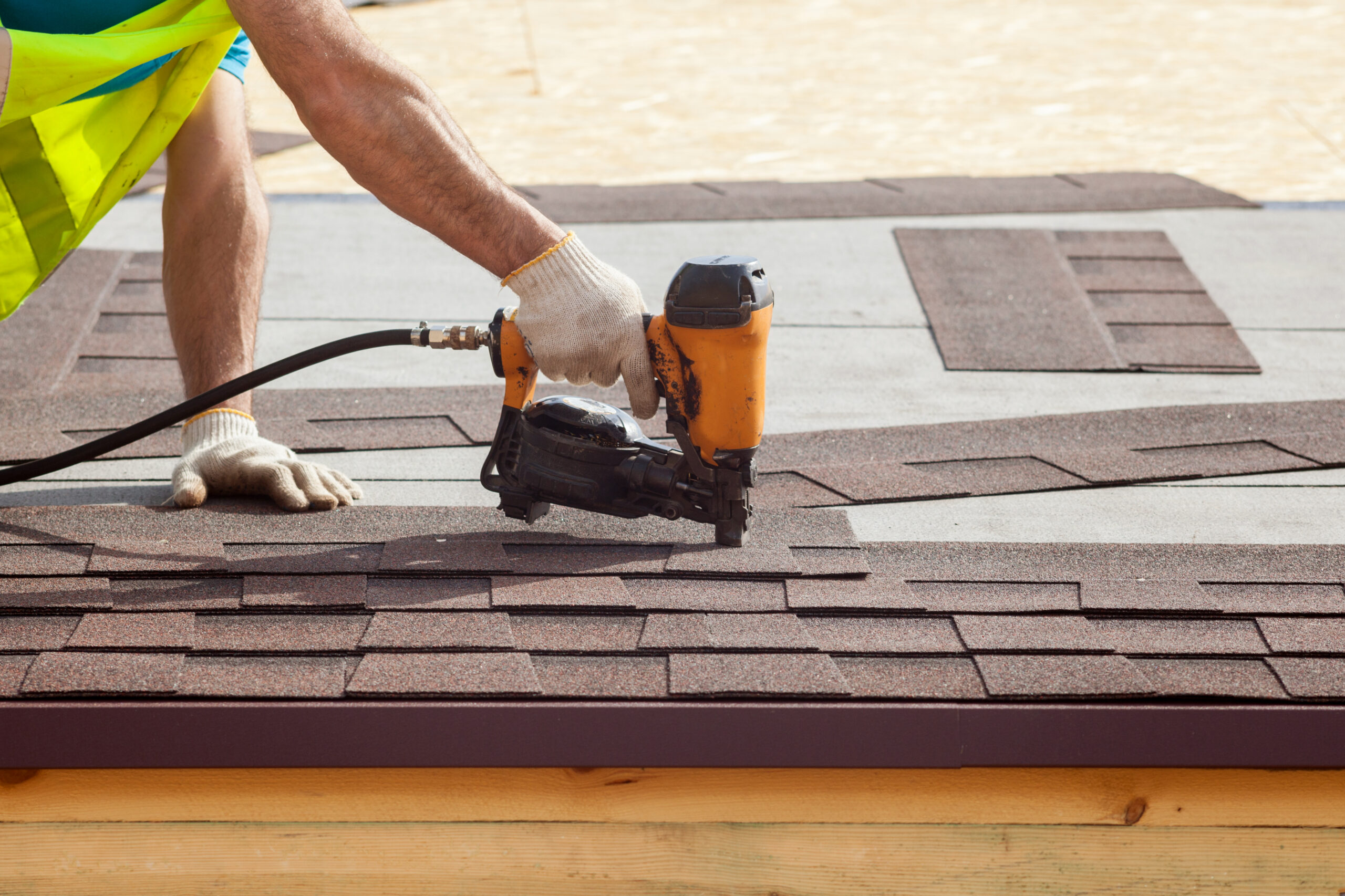
Setting up a roofing operation means investing in the right tools for roofers. Whether you are launching a solo venture or building a full crew, your equipment directly affects job quality, safety, and profitability. This tool list for roofing covers everything from basic hand tools to advanced equipment, along with realistic cost estimates so you know what to budget for.
Essential hand tools every roofer needs
The foundation of any roofing tools and equipment collection starts with reliable hand tools. These are the workhorses that handle daily tasks and determine how efficiently you get through a job.
Safety equipment: non-negotiable protection
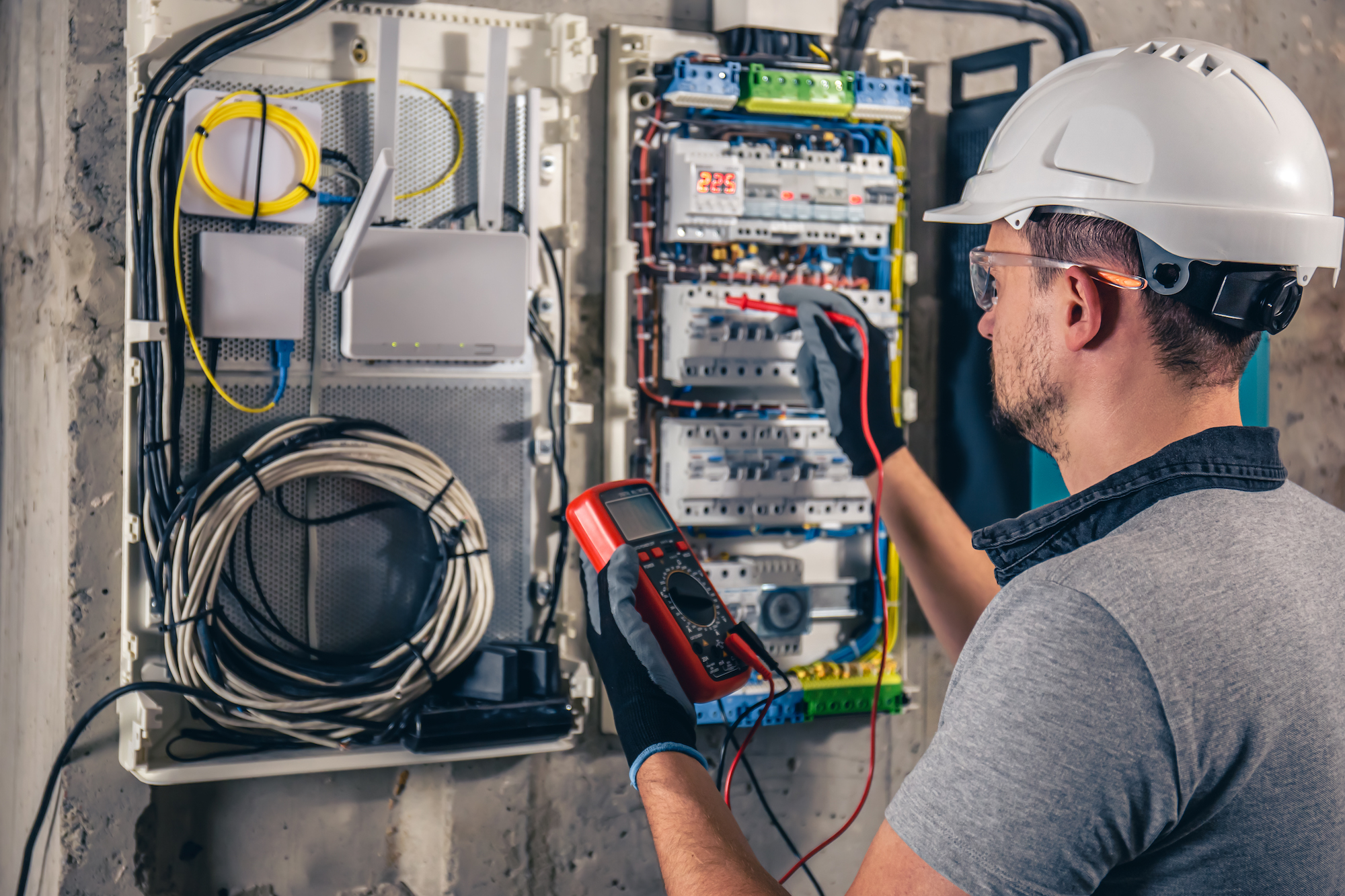
Falls are the leading cause of roofing fatalities, and roofing consistently ranks among the more dangerous trades for on the job injuries. OSHA requires fall protection for residential construction work performed six feet or more above a lower level, but smart roofers treat safety gear as essential regardless of the exact height. Do not skimp here. These tools exist to save lives.
Professional-grade and high-tech equipment
As your business grows, more advanced tools help you take on bigger jobs and work more efficiently.
Practical buying guide and cost breakdown
According to Jobber’s roofing tools breakdown, a realistic budget by category looks like this:
| Category | Estimated Cost |
|---|---|
| Hand tools | $245 to $650 |
| Power tools | $400 to $1,000 or more |
| Safety equipment | $345 to $925 |
| Commercial and specialized equipment | $1,505 to $6,665 |
| Metal roofing tools | $935 to $2,835 |
Those figures cover the tools themselves. If you are budgeting for the whole business, Roofr’s roofing startup guide puts total startup costs, including a vehicle, insurance, and licensing on top of your equipment, at roughly $10,000 to $50,000.
If you are working solo, you can lean toward the lower end of the tool specific ranges above since one full set of gear covers one person. Add a second crew member and expect your hand tool and safety equipment costs to roughly double, since a harness, gloves, and hand tools are not something two people can share on the same job.
Where to buy commercial equipment
Home Depot and Lowe’s work fine for basic tools, but professional supply houses like ABC Supply and SRS Distribution offer contractor pricing and specialized equipment you will not find at a big box store. Build relationships with local suppliers. They will help you out during emergencies when you need materials fast.
Online retailers can work well for restocking consumables, but always verify you are buying from an authorized dealer, especially for pneumatic tools and safety equipment, so you know you are getting a genuine product with a real warranty behind it.
Evaluating second-hand tools
Used equipment can meaningfully reduce your startup costs. Check Facebook Marketplace, Craigslist, and contractor auctions for deals on hand tools and power tools.
For pneumatic nailers, test the fire pattern and check for air leaks around the seals. Reject anything with a cracked housing or a bent driver. Hand tools should have tight joints and minimal rust. Skip used safety equipment entirely. A harness or anchor with hidden damage is not worth the risk to save a few dollars.
Ladders need a close inspection for bent rails, loose rungs, or cracks. A compromised ladder is never worth any discount.
Equipment maintenance for longevity
Clean your tools daily. Roof debris and asphalt residue will damage moving parts if left overnight. Oil pneumatic nailers before storage and run a few drops through the system. Store everything in a dry location, since moisture causes the kind of rust that ruins precision tools.
Sharpen blades regularly instead of forcing a dull cutter through material it should glide through. Inspect safety equipment monthly, checking harness stitching and anchor integrity, and replace anything worn immediately.
Keep a maintenance log for expensive equipment like nailers and compressors. Regular servicing prevents the kind of failure that stops a job cold. Just like other trades depend on their own reliable tool sets, investing in quality roofing tools and equipment and maintaining them properly extends their working life and makes sure they perform when you need them most.
Streamline your roofing business operations
Managing your roofing tools and equipment inventory gets complicated as your business scales. Roofing crews need a way to track which tools are assigned to which job, when equipment is due for servicing, and how those tool investments affect project profitability.
WEX FSM’s field service management software helps roofing contractors do exactly that. The platform gives you visibility across every crew and job site, so instead of scrambling to figure out who has the thermal camera or discovering a broken nailer on site, you know where everything is before it becomes a problem.
WEX FSM also handles scheduling, invoicing, and customer management, connecting your equipment tracking to the actual job workflow. When you are running multiple crews across different projects, that visibility prevents costly delays and keeps your tools working instead of sitting idle in a truck somewhere. The software also streamlines creating professional proposals, so your operation runs on one connected system from the first estimate to the final invoice.
Building a complete tool list for roofing takes time. Start with quality essentials, prioritize safety equipment, and add professional grade tools as the jobs demand them. Your equipment directly affects your reputation. Show up prepared with the right tools for roofers, and customers notice the difference.
Streamline Your Roofing Operation by Partnering with WEX Field Service Management
Keep every tool, crew, and job connected in one place. WEX FSM helps roofing contractors track equipment, schedule jobs, and manage the business without the guesswork.
Copyright ©2026 WEX Inc. All rights reserved. The information in this document is subject to change without notice.