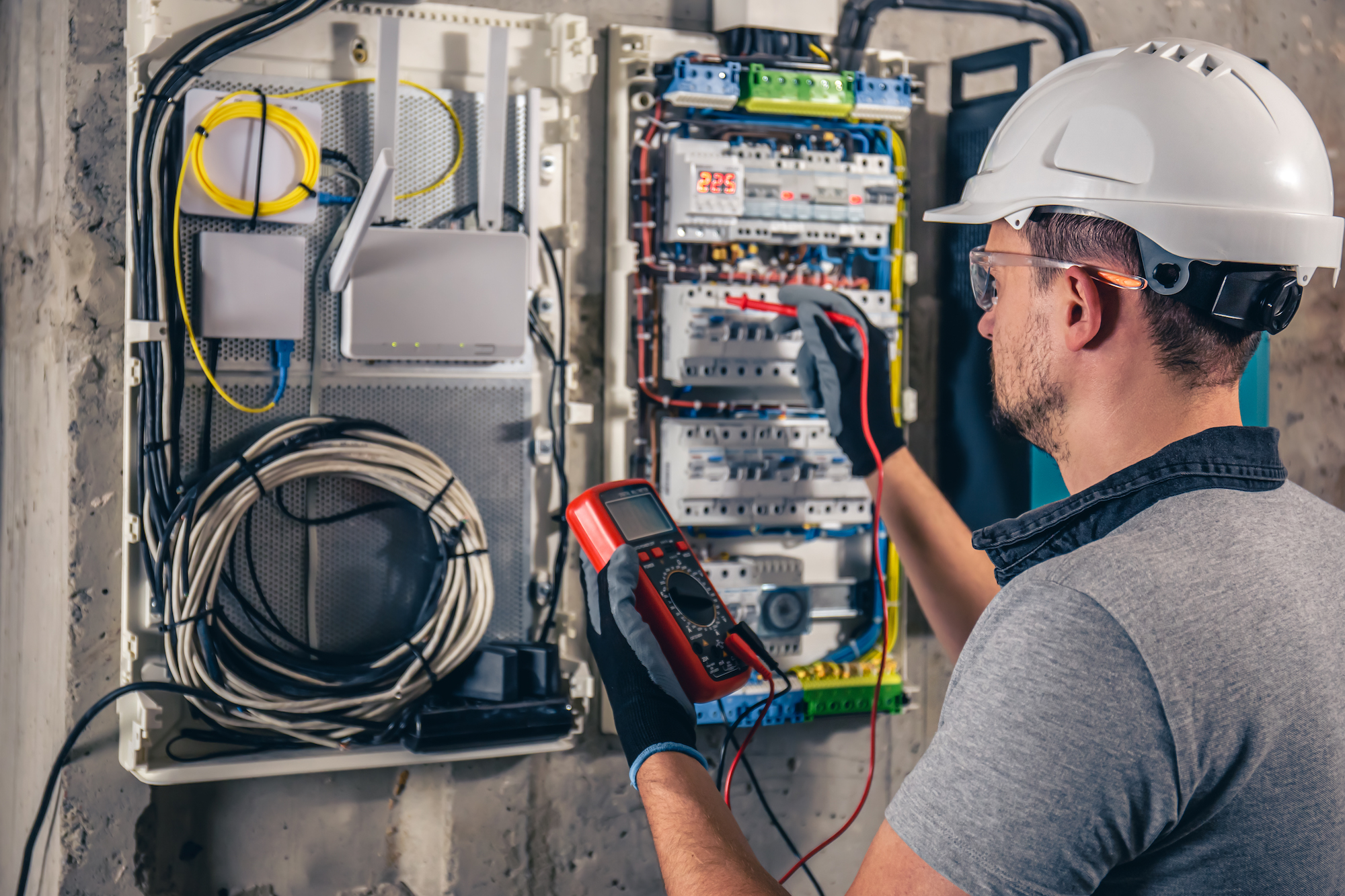
Every plumber knows that having the right tools can make the difference between finishing a job quickly and struggling for hours. Whether you’re growing your plumbing business or restocking your toolkit, understanding which tools are essential and which are worth the investment is crucial. In this guide, we’ll break down the basic tools you need daily, specialized tools for complex jobs, and plumbing safety equipment that protects you on-site.
Plumber Basic Tools: The Foundation of Every Job
The core of any plumber’s toolkit consists of reliable hand tools that handle everyday tasks. These are the workhorses you’ll reach for on nearly every job, from simple repairs to complex installations.
Wrenches and Gripping Tools
1. Pipe Wrench (10“ and 14”)
The iconic plumbing tool, essential for gripping and turning pipes and fittings. You’ll want at least two sizes – a smaller 10-inch for tight spaces and a 14-inch for standard work. The serrated jaws provide excellent grip on threaded pipes without slipping.
- Estimated cost: $30-$80 each
- Available options: Ridgid, Milwaukee
2. Basin Wrench
This specialized tool reaches into those awkward spaces behind sinks to tighten or loosen mounting nuts on faucets. It’s indispensable for faucet installations and repairs.
- Estimated cost: $15-$35
- Available options: Ridgid, Rothenberger
3. Adjustable Wrench Set
Keep 6-inch, 10-inch, and 12-inch adjustable wrenches in your kit. These handle hex nuts and bolts throughout plumbing systems.
- Estimated cost: $12-$40
- Available options: Crescent, Knipex
4. Channel Lock Pliers
Available in various sizes, these provide the versatility to grip pipes, nuts, and fittings of different dimensions.
- Estimated cost: $40-$70
- Available options: Channellock, Knipex
Cutting and Threading Tools
5. Pipe Cutter
Clean, straight cuts are non-negotiable in plumbing work. Copper pipe cutters and PVC cutters are both essential.
- Estimated cost: $10-$40
- Available options: Ridgid, Reed Manufacturing
6. Hacksaw
Hacksaws help plumbers cut through pipes, nuts, bolts, and screws. The work requires securing blades properly and keeping spares on hand. Adding a hole saw to the toolkit makes the job easier.
- Estimated cost: $15-$25
- Available options: Milwaukee, Craftsman
7. Threading Dies and Handles
Plumbers can rely on threading dies and handles to cut clean, external threads on pipes made from steel, iron, or specialized PVC. These tools, typically part of a die stock set, are built for precision and professional plumbing work. That means it can typically cost more than other basic plumbing equipment.
- Estimated cost: $100-$300
- Available options: Ridgid
Drain Clearing Equipment
Clogged sinks, clogged toilets, and drain issues make up the majority of plumbing service calls. Having the right clearing tools is also essential.
8. Plungers
While homeowners keep basic plungers on hand for quick fixes, professionals need more robust equipment. Heavy-duty flange and cup plungers in various sizes deliver the extra suction power required for commercial jobs, setting you apart from DIY solutions.
- Estimated cost: $10-$25
- Available options: Clorox, Korky
9. Hand Auger (Drain Snake)
Hand augers are circular, handheld tools that let plumbers drive a cable deep into drains to break up and clear clogs using a hand crank. Today’s hand-auger technology offers various models and capabilities, giving plumbing professionals plenty of options when building their toolkit.
- Estimated cost: $40-$150
- Available options: Ridgid, General Pipe Cleaners
Additional Essential Plumbing Hand Tools
- Torpedo Level: Ensures proper pipe slope for drainage. Cost: $10-$30.
- Tape Measure: A 25-foot measuring tape is standard. Quality options cost $15-$35.
- Inspection Mirror: Extends your vision into tight spaces. Price range: $8-$20.
- Flashlight or Headlamp: LED models with rechargeable batteries ($25-$80) are essential for working in dark crawl spaces and under sinks
These plumber basic tools form your everyday arsenal. Professional-grade versions typically cost 2-3 times more than consumer models but last significantly longer. That means your investment will pay off when you’re using them daily rather than occasionally.
Plumbing Safety Equipment
Safety gear protects plumbers from the specific hazards they face on the job. Common injuries include hand and finger cuts from pipe cutters and threading tools, as well as infections from exposure to contaminated water. Using improper tools also increases the likelihood of injuries, which every plumbing business is keen to prevent. That’s why the right plumbing safety equipment matters, and why it’s worth investing in.
Personal Protective Equipment
10: Safety Glasses
Plumbing work involves hands-on tasks like inspecting leaks and soldering pipes. Those are the activities that can put your plumbers’ eyes at risk.
- Estimated cost: $15–$20
- Available options: Uvex, Dewalt
11. Heavy-Duty Work Gloves
Plumbing puts hands in contact with materials most people would rather avoid. Heavy-duty gloves protect against these hazards while improving grip on slippery surfaces and delivering practical benefits that keep plumbers safe on the job. Leather gloves run $15-$40, while chemical-resistant nitrile gloves cost $10-$25 per box.
- Estimated cost: $10-$40
- Available options: Craftsman, Milwaukee
12. Knee Pads
Daily floor work puts real stress on knees and joints. Investing in quality knee protection now helps you and your plumbers team avoid costly joint issues down the road.
- Estimated cost: $30-$60
- Available options: ToughBuilt, McAlpine
Additional Plumbing Safety Equipment
OSHA requires specific safety measures for confined space work, which plumbers frequently encounter. Regulations mandate atmospheric testing before entry, with oxygen levels maintained between 19.5-23.5%, and continuous monitoring during work.
- Gas Detector/Monitor: Essential for testing atmospheres before entering confined spaces. Multi-gas detectors that measure oxygen, LEL, H₂S, and CO cost $300-$800.
- Ground Fault Circuit Interrupters (GFCI): Required when using power tools in wet environments. Portable GFCI units cost $30-$80.
- Ventilation Equipment: For maintaining safe atmospheres in confined spaces. Portable blowers range from $150-$500.
Plumbing safety equipment isn’t optional. Investing in the right gear now saves you from much higher costs down the road – medical bills, loss of productivity, and work interruptions. One of the smartest actions you can take is to build safety equipment into your tool budget from the start.
Specialized Plumbing Tools
As your plumbing business grows and takes on more complex jobs, then it’s the right time to consider investing in specialized plumbing tools. These professional-grade tools increase efficiency and enable you to handle jobs that basic tools can’t manage.
Advanced Diagnostic and Detection Equipment
13. Pipe Inspection Camera
Plumbers now use inspection cameras to diagnose pipe problems without opening up walls or floors. These cameras make it easy to spot clogs, cracks, and other internal damage without excavation. Entry-level models start around $200, while professional systems with recording features typically cost $1,500 to $5,000.
- Estimated cost: $200-$5,000
- Available option: Ridgid
14. Leak Detection Equipment
Professional plumbers rely on leak detection equipment that delivers accuracy without invasive methods. High-sensitivity tools like acoustic listening devices, tracer gas systems, and thermal imaging help you pinpoint problems quickly and keep jobs moving forward.
- Estimated cost: $300-$2,000
- Available options: Ridgid, LeakTronics
Power Tools and Mechanical Equipment
15. Cordless Power Tools
These battery-powered devices help deliver consistent performance on any jobsite, whether you or your plumbers are working in tight spaces, near water, or at awkward angles
- Estimated cost: $300-$800
- Available options: Milwaukee, Makita, DeWalt
16. Hydraulic Pipe Bender
Hydraulic pipe benders are heavy-duty tools that let plumbers bend metal pipes without kinking them. Many models are portable and able to easily create precise, controlled bends for industrial and construction plumbing jobs.
- Estimated cost: $200-$2,000
- Available options: Rothenberger, Hilmor
Additional Specialized Plumbing Tools
- Pressure Test Kit: Verifies system integrity before closing up walls. Quality kits cost $100-$300.
- Water Pressure Gauge: Diagnoses pressure issues. Professional gauges range from $30-$100.
- Multimeter: For testing electrical components on water heaters and pumps. Available models cost $50-$150.
These specialized plumbing tools usually require significant budget and investment. Many plumbers add them gradually as they take on more complex plumbing jobs, spreading costs over time while expanding their service capabilities.
Smart Purchasing Strategies for Plumbing Tools
Professional plumbers invest heavily in tools, and expenses for specialized equipment and ongoing replacements can add up quickly. Here’s how to manage those costs without sacrificing quality.
Bulk Purchasing and Vendor Relationships
Bulk buying is a great way to save money. When you buy plumbing tools in larger quantities, suppliers typically offer lower unit prices. As your plumbing business grows, these vendor relationships become even more valuable. You’ll continue securing competitive pricing through bulk purchases, which means more savings over time.
Build relationships with local tool suppliers who offer contractor discounts. Many provide preferred pricing tiers based on purchase volume. Consider joining buying groups or contractor networks that leverage collective purchasing power. As plumbing equipment represents 33% of a plumbing contractor’s spend, the number makes it clear where to focus your purchasing optimization efforts.
Practical Cost-Saving Strategies
Evaluating your current plumbing services helps you identify the plumbing tools you actually need to deliver excellent work. Remember, only buy specialized tools when specific jobs require them, then assess how often you’ll use them to decide whether it makes more sense to buy or rent. For expensive plumbing equipment used occasionally like large-capacity drain machines or excavation equipment, rental often makes more sense instead of buying immediately. This helps reduce the financial burden on you and your plumbing business.
Tool Management and Inventory Control
Implement a tool-tracking system to prevent loss and unnecessary duplicate purchases. Labelling your plumbing tools with accurate information makes it easier to manage and quickly see what you have in stock. You’ll need to track tool expenses carefully. This helps better understand your costs and investment when setting profitable plumbing service prices.
Regular tools and equipment maintenance is another key aspect to consider. Cleaning, lubricating, and replacing worn parts help extend tool life and prevent expensive mid-job failures. Keep backup plumbing basics in stock, like hacksaw blades, torch tips, and auger cables, to avoid emergency purchases at higher prices.
Streamline Your Tool and Inventory Management
Managing plumbing tools and equipment inventory gets complicated fast. You’re tracking multiple trucks, technicians, job sites, and stock levels simultaneously. Missing parts lead to wasted trips, while overstock ties up your cash flow. That’s where field service management software comes in and transforms how plumbing businesses handle inventory.
WEX FSM’s plumbing business platform gives you complete visibility into your plumbing tool and parts inventory. You’ll see exactly what’s in your warehouse, what’s on each truck, and what’s been used on jobs. The system tracks usage patterns so you know which items to stock up on, and which sit unused.
Plumbers can access inventory from their mobile devices. They can check part availability before heading to the site, or request transfers from other trucks. This can reduce the volume of back-and-forth phone calls throughout the day.
Ready to streamline your plumbing tool management process? Schedule a free demo today, and learn how WEX FSM helps plumbing businesses run more efficiently.
Copyright ©2026 WEX Inc. All rights reserved. The information in this document is subject to change without notice.